Floor level changes how a home feels, what it costs and how easily it rents. In tall Istanbul towers, the difference between the third and the thirtieth floor can be dramatic. This guide compares low, middle and high floors, so you can choose the right apartment floor in Istanbul for your needs.
Low floors: pros and cons
Advantages
Ground and low floors are easy to reach without a lift. Some come with private gardens or terraces, which families and pet owners value. Prices are often lower than on upper floors.
Drawbacks
On the other hand, low floors can be darker, noisier and less private. Street-level homes may also feel less secure.
Middle floors: pros and cons
Middle floors often strike a good balance. They usually get decent light and some view, while staying easy to reach if a lift stops working. Prices tend to sit between low and high floors.
High floors: pros and cons
Advantages
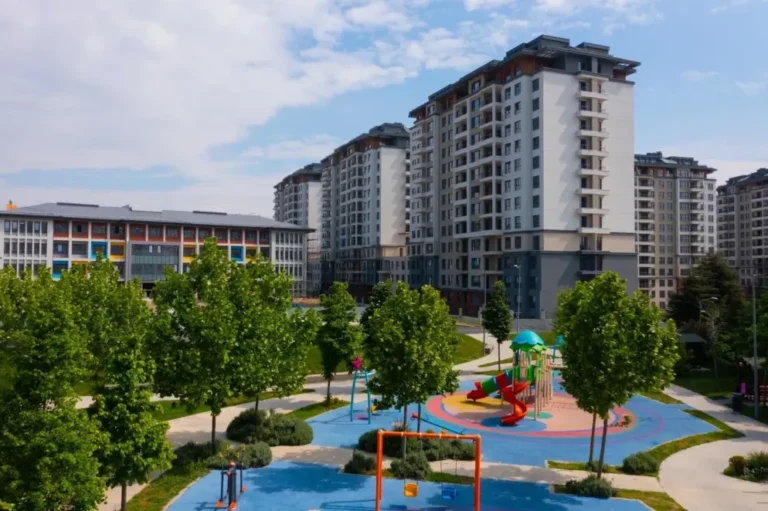
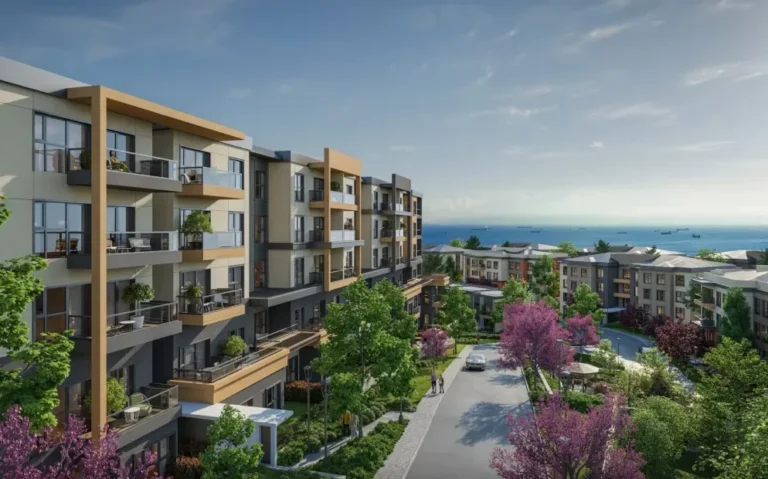
High floors usually offer the best light, views and privacy. In Istanbul, a Bosphorus, sea or forest view can add real value. For example, selected homes in Ataşehir Apartments near Metro face the Princes’ Islands from towers of 25 and 32 floors.
Drawbacks
However, high floors depend heavily on lifts. They can also be windier, and they usually cost more.
Safety considerations
Every floor should be safe in a well-built, well-maintained building. Therefore, focus first on the building itself. Our guide to building safety in Istanbul explains what to check. Also look at fire exits, stairwells and the number of lifts.
Floor level and rental demand
If you plan to let the home, tenants often prefer middle and upper floors with good light. Families, however, may favour garden units. Our long-term rental property guide for Istanbul covers what tenants look for.
Apartment floor in Istanbul and value over time
Floor level also affects resale. For example, homes with a lasting view usually hold their appeal, whereas a view that a new building could block carries more risk. Garden units remain popular with families, so they often resell well. Middle floors with no view rely more on price and layout. So think about the next buyer as well as yourself when you choose an apartment floor in Istanbul.
Orientation matters as much as height.
Apartment floor in Istanbul in 2026: how developers price each level, and what it does to yield
Turkish developers publish floor-by-floor price lists, so the premium for height is not a matter of taste but a number you can read off the sheet. Across the new-build projects this site carried in November 2026, the pattern is consistent: a discount for the ground floor, a small step per floor through the middle of the building, a jump for the first floor that clears the neighbouring roofline, and a separate premium for the top floor if it carries a terrace. Rents do not follow the same curve. Tenants pay for light, quiet and a lift, but not for the twentieth floor rather than the twelfth, which is why lower floors in a well-run site usually produce the higher rental yield. Two rules also shape what is on offer: the Planned Areas Zoning Regulation makes a lift compulsory in buildings of four or more storeys, and the fire-safety regulation treats buildings above 21.50 metres as high-rise and above 51.50 metres as tall, triggering second escape stairs and pressurised lobbies that raise the maintenance fee for everyone in the tower.
| Floor | Typical price vs. the mid-floor list price (new-build Istanbul, 2026) | Typical rent vs. mid floor | Who it suits |
|---|---|---|---|
| Ground / garden floor | −5% to −10% (−3% with private garden) | −5% | Families with small children, older buyers, pet owners |
| 1st–3rd | −2% to 0% | −2% | Yield-focused investors; fast resale in mid-market sites |
| 4th–9th (mid floors) | list price | list rent | Owner-occupiers wanting balance of light and access |
| 10th–19th | +1% to +1.5% per floor | +3% to +5% in total | View buyers; tenants in corporate lets |
| 20th and above | +1.5% to +2% per floor, more once the sea appears | +5% to +8% | Long-hold view investors; lower yield, better capital story |
| Top floor with terrace | +10% to +20% on top of the floor premium | +8% to +12% | End users; thin resale market |
Source: our reading of developer price lists for the projects on this site, November 2026; the ranges are indicative and vary by project. The view premium is explored with real listing prices in our guide to Istanbul apartments with a view. On the safety side, floor level matters less than the building: a 2019-code tower is safer on the twentieth floor than a 1990 block is on the second, and the risk items that do vary by floor (ground-floor retail creating a soft storey, illegal penthouse additions) are covered in our building safety guide.
Worked example. A two-bedroom flat in a Beylikdüzü site listed on this site at USD 370,000 for a mid floor. Using the table, the same plan on the second floor would list around USD 362,000 and on the sixteenth around USD 400,000. At the Endeksa 2026 district rent of about TL 28,900 for 100 m², and assuming the second-floor unit lets at 2 percent below and the sixteenth at 4 percent above the mid-floor rent, annual rents are roughly TL 340,000 and TL 361,000, or about USD 6,800 and USD 7,200 at 50 lira to the dollar. Gross yields: 1.9 percent on the second floor against 1.8 percent on the sixteenth, before fees. The gap is small in a low-yield district, but in a higher-yield area such as Esenyurt or Pendik the same logic widens to half a percentage point, which is why our rental yield guide recommends the lower half of the building for buy-to-let. Floor choice sits in the viewing stage of our guide to buying property in Istanbul; compare plans on the two-bedroom apartments page.
Practical tips for choosing an apartment floor
- Visit at different times of day to check light and noise.
- Look at what the view faces today and what might be built later.
- Ask how many lifts serve the building and whether there is a generator.
- Compare prices per net square metre between floors.
Remember that the right apartment floor in Istanbul depends on your lifestyle as much as the price. From there, look through our Istanbul projects or check with Property Istanbul which floors are still free in a given project.
This article is general information, not legal, tax or financial advice.
Apartment floor in Istanbul: frequently asked questions
Which floor gives the best rental yield in Istanbul?
In most new sites, floors one to three: they are bought at or below the mid-floor price and let for almost the same rent. Rental yield in Istanbul is driven far more by district and fee level than by floor, but within one building the lower floors win on yield and the upper floors on resale premium.
Do high-floor apartments for sale in Istanbul cost more to run?
Yes, slightly. Towers above 51.50 metres need pressurised stair lobbies, more lifts and fire systems, so maintenance fees per square metre are higher than in mid-rise sites; our maintenance fees guide gives 2026 figures. Among apartments for sale in Istanbul, a mid-rise block is the cheaper home to hold.
Is the ground floor a bad choice for resale?
Not in family sites, where garden-floor units with private gardens often sell faster than mid floors. In towers and city-centre blocks without a garden, ground floors do take longer to sell, so buy them for yield or for your own use rather than for capital growth.