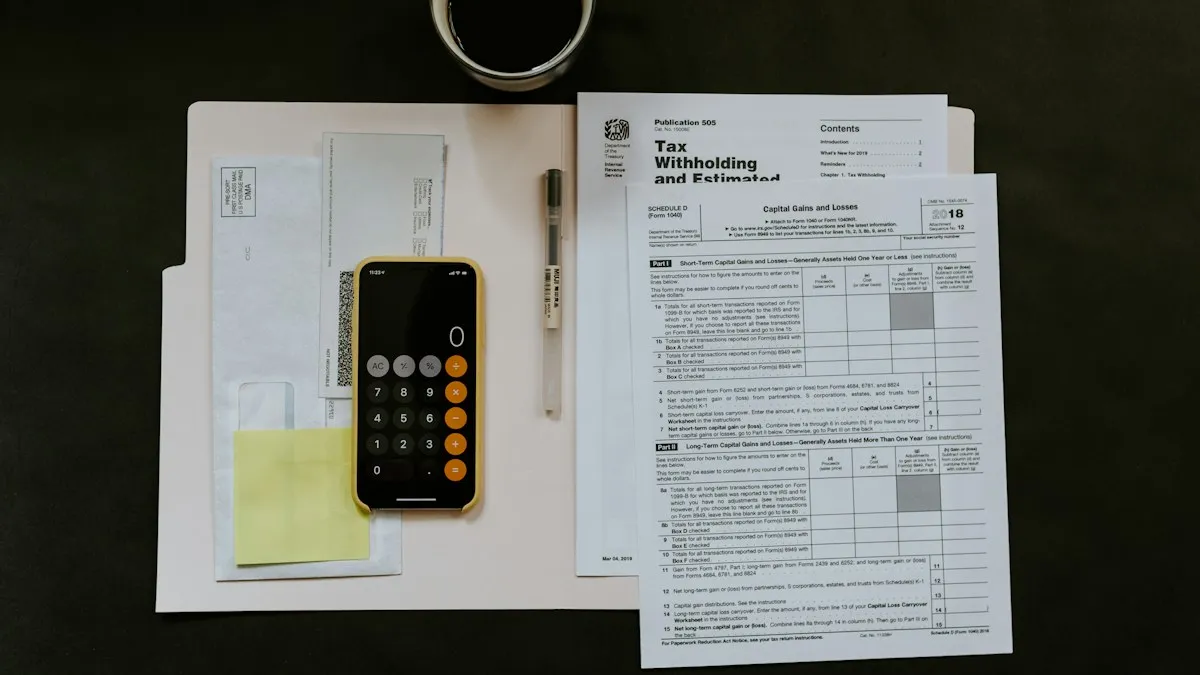
Taxes are easy to forget when you fall in love with a view. Yet property taxes in Turkey affect your budget at four moments: when you buy, while you own, when you rent the home out and when you sell. This guide walks through each one in plain English, so you can plan what owning property in Istanbul really costs.
Property taxes in Turkey when you buy
Title deed fee
The title deed fee is charged at 4% on the sale value you declare. By law, buyer and seller share it equally, but in many sales the buyer pays the full amount. Therefore, agree in writing who pays before you sign. In addition, the declared value cannot be lower than the official valuation, which is mandatory whenever a foreigner buys or sells.
VAT on new homes
New homes bought from a developer usually include VAT. However, buyers who live abroad and pay in foreign currency can often claim a VAT exemption when a new home is sold for the first time. The conditions are strict, including a minimum holding period, so ask your lawyer to confirm them before you sign.
Other purchase costs
You will also pay for the valuation report, a sworn translator at the land registry and, often, a lawyer. Our guide to hidden costs of buying an apartment lists them in one place.
Taxes while you own
Annual property tax
Every owner pays a yearly property tax to the local municipality. For homes in Istanbul, the rate is 0.2% of the tax value set by the municipality, which is often lower than the market price. You can pay in two instalments, the first by the end of May and the second by the end of November.
Valuable housing tax
Homes above a high value threshold also pay an extra annual tax. The threshold changes each year, so check whether your home is affected once the official figure is published.
Running costs that are not taxes
Maintenance fees, DASK earthquake insurance and utilities are not taxes, but they still belong in your budget. See our guides to apartment maintenance fees and utilities in Istanbul.
Tax on rental income
If you rent your home out, the rent counts as income in Turkey. Owners file a return each March for the previous year’s rent, and a small annual allowance applies to residential rent. Meanwhile, you can deduct certain expenses, or choose a flat-rate deduction instead. Because rates and allowances change every year, check the current figures with the Revenue Administration (GİB) or an accountant.
For a simple way to compare rent with costs, read our guide to rental yield in Istanbul.
Taxes when you sell
If you sell within five years of buying, the gain may be taxable. However, after five years, the gain from selling a home is generally exempt for individuals. When tax applies, the purchase price can be adjusted for inflation, and an annual exemption reduces the taxable amount. Our guide to selling property in Istanbul explains the sale process step by step.
Practical tips for managing property taxes in Turkey
- Get your tax number before you buy, because every tax step uses it.
- Keep receipts for the purchase, renovations and fees for at least five years.
- Set a calendar reminder for the May and November instalments.
- Check whether your home country also taxes your Turkish rent or gains.
Buying for a passport? Our guides to the valuation report for Turkish citizenship and selling a citizenship property cover the extra costs and rules.
Frequently asked questions
Do foreigners pay the same property taxes as Turkish citizens?
Yes. The same annual tax, rental income rules and sale rules apply to foreign and Turkish owners.
Who pays the title deed fee?
Legally the cost is shared half and half between the two parties. In practice, however, the contract often places it on the buyer, so read it carefully.
Can I pay the annual tax online?
Yes. In most cases, you can pay through your municipality’s website, your bank or e-Devlet.
I am not a tax adviser, so use this guide as an overview and confirm your own situation with an accountant.
To estimate the taxes on a specific property, choose a home from our projects in Istanbul and ask Property Istanbul for a cost estimate.
Projects in Istanbul
All projects Under construction
Beşiktaş
Etiler Horizontal Garden Homes
From $900,000
- 1 bed
- 1 bath
- 70 m²
 Ready to move
Şişli
Şişli Home-Office Apartments
From $400,000
- 1 bed
- 1 bath
- 69 m²
 Ready to move
Silivri
Silivri Detached Garden Villas
From $575,000
- 5 beds
- 3 baths
- 509 m²