Mortgage in Turkey for Foreigners: How Home Loans Work in Istanbul

Can you get a mortgage in Turkey as a foreigner? How home loans work in Istanbul, what banks ask for and when a payment plan is better.
Our Istanbul property buying guides follow a purchase from the first viewing to the day ownership is recorded in your name. Each one deals with a single stage of the process – what you sign, what you pay and what you should verify – so that the appointment at the land registry holds no surprises. They are written for international buyers who intend to move in themselves or rent the flat to tenants, and none of them replaces advice from an independent lawyer.
If the process is new to you, start with the step-by-step overview of buying property in Istanbul. Then put real numbers on the purchase: our breakdown of extra purchase costs in Istanbul lists the items that sit on top of the asking price. The biggest single item is usually the registry charge, set at 4% of the value declared on the deed; how it is split is agreed between buyer and seller, so write the split into the contract instead of assuming it.
Paperwork is the second pillar. Before any deposit changes hands, find out which kind of deed the flat carries – our explainer on the main kinds of Turkish title deed shows why the difference matters for a finished building and for a project still under construction. Ask for the occupancy permit (iskan), confirm that no mortgage or attachment is recorded on the register, and make sure the sale agreement names the exact unit, the price and the handover date.
Foreign buyers also need a valuation report from a licensed valuer before the transfer. Since 29 September 2026 such a report stays valid for 12 months, which helps when a search runs over several months. Our property valuation report guide for Istanbul buyers explains what the valuer looks at and why the appraised figure, not only the price you agreed, is what the officials consider.
Some readers buy with citizenship in mind. For that route the valuer must put the home at no less than USD 400,000, and the deed is annotated so that the owner cannot sell for three years. Meeting these conditions makes you eligible to apply; whether citizenship is granted is decided by the Turkish authorities alone, so treat every timeline you hear as an estimate.
One more change affects every buyer: home sales have to use the state-run Secure Payment System from 1 December 2026, and from then on the purchase price will move between buyer and seller through that system. Ask your lawyer how it applies to your own transaction.
Other guides in this section cover powers of attorney for buyers who cannot travel, mortgages for foreigners, property taxes after the purchase, setting up utilities and choosing the right floor or building. Read them in the order your own purchase unfolds, and keep a short list of questions for each stage.
Can you get a mortgage in Turkey as a foreigner? How home loans work in Istanbul, what banks ask for and when a payment plan is better.

A step-by-step guide to selling property in Istanbul as a foreign owner, from pricing and valuation to tax and transferring funds.

A practical guide to getting a Turkish residence permit through property in Istanbul, including value rules, closed districts and renewals.
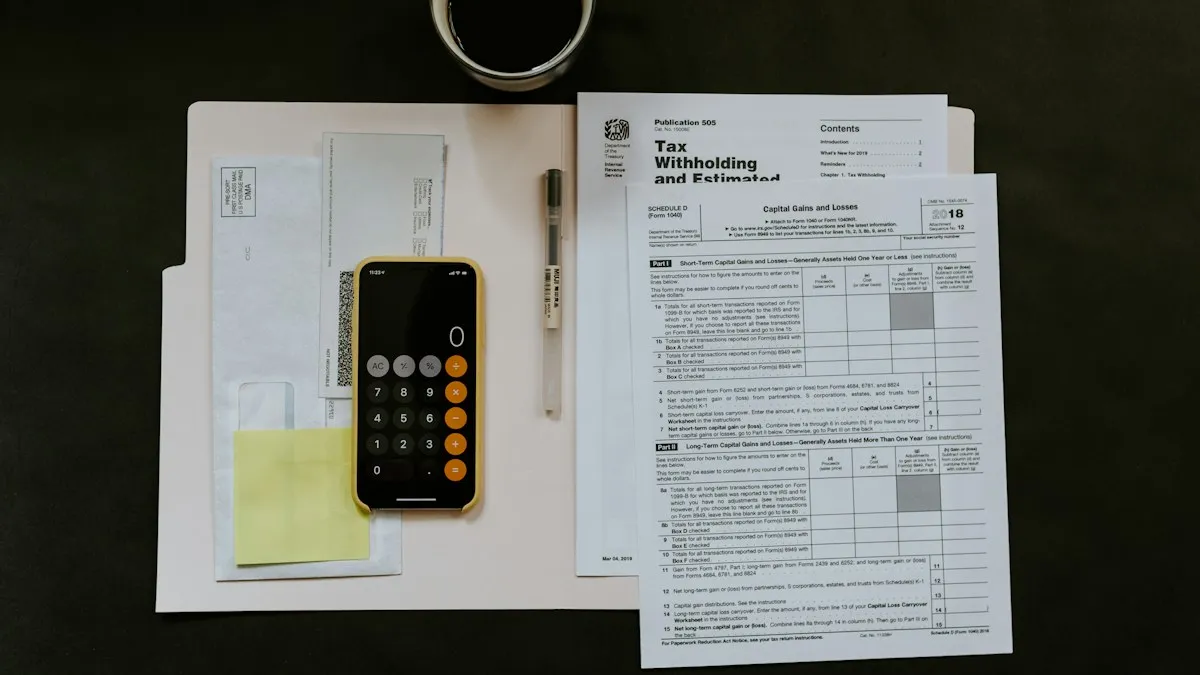
The main property taxes in Turkey for foreign owners, from the deed transfer fee and yearly property tax to tax on rent and on a sale.
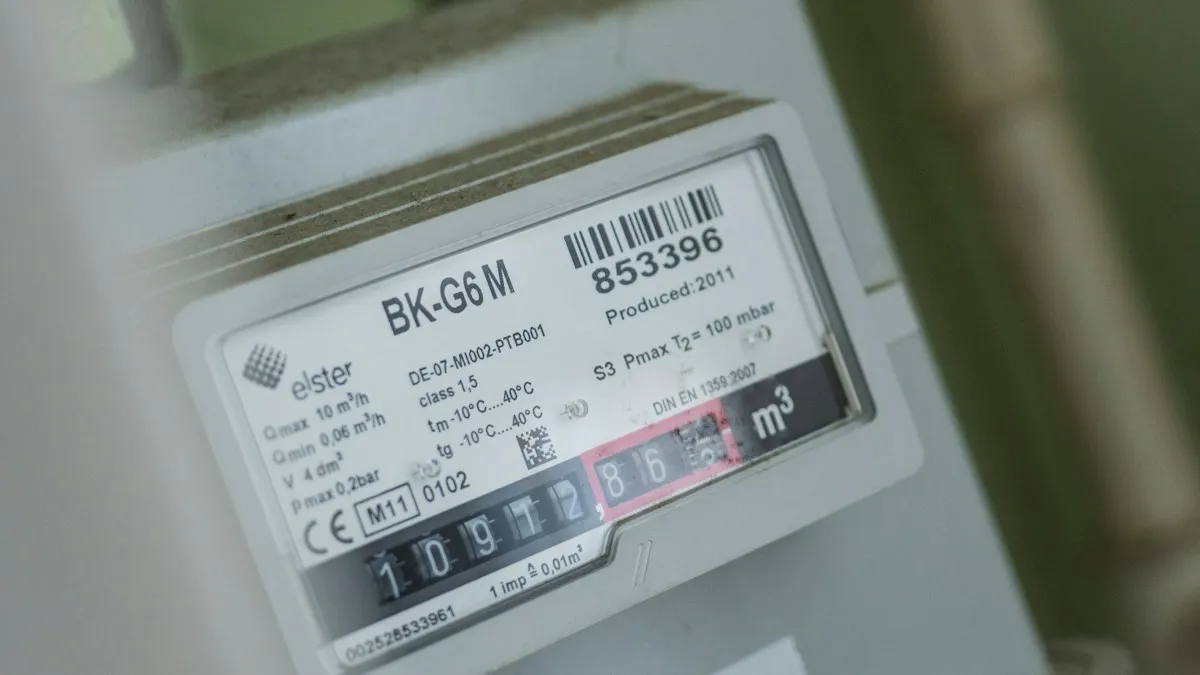
A practical guide to utilities in Istanbul for new owners and tenants: who supplies what, which documents to bring and how to avoid delays.

Neighbourhoods and practical tips for first-time buyers in Istanbul.