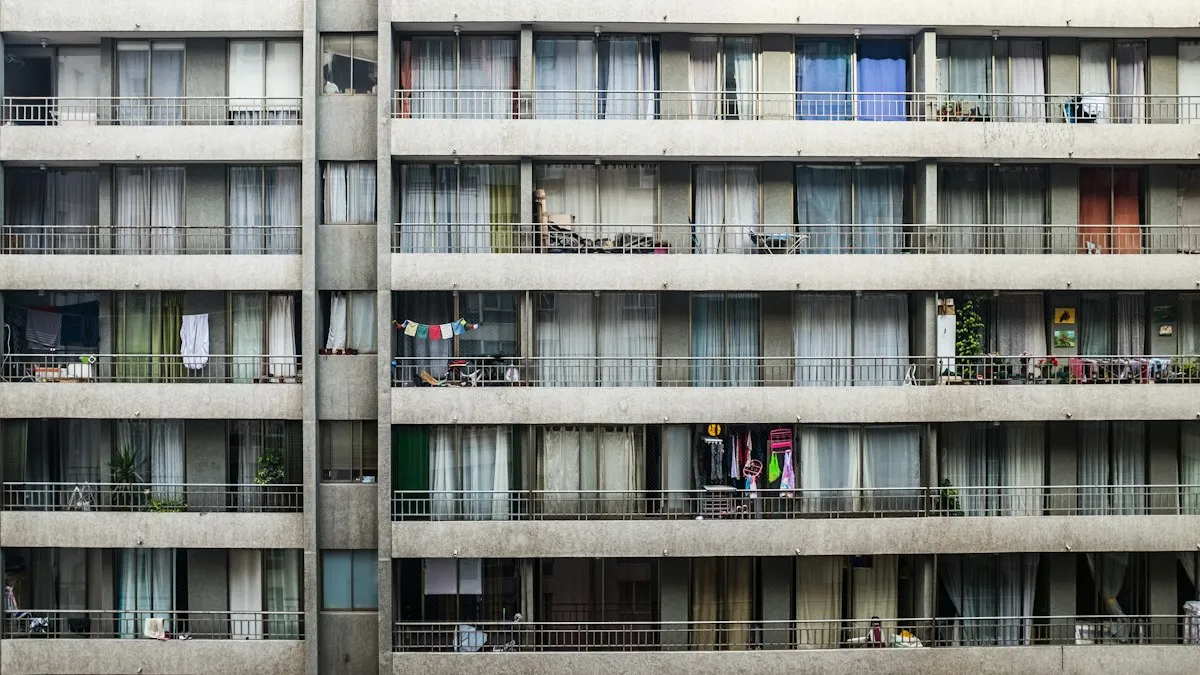
Many newcomers start by renting before they buy. Renting in Istanbul lets you learn the city, test a commute and see which areas you like. This guide explains how renting works and what to check before you sign.
How renting in Istanbul works
Finding a home
Most homes are listed online or through local estate agents. Many neighbourhoods also have small agencies that know the local buildings well. Visit in person, or ask for a live video tour if you are abroad.
Furnished or unfurnished
Both types are common. Furnished homes suit short stays, while unfurnished homes suit long-term tenants. Our guide to furnished vs unfurnished apartments compares them.
Contracts and deposits
Ask for a written contract that states the rent, currency, term and deposit. Under Turkish law, a deposit for a home should not exceed three months’ rent. Question any request for more, and keep a dated photo record of the home when you move in.
Rent increases
Turkish rules limit yearly rent increases on renewal for homes. Since the rules have changed in recent years, check the current limit with official sources or a lawyer before you agree to a new rent.
Running costs for tenants
- Utilities: electricity, gas, water and internet are usually in the tenant’s name.
- Maintenance fee (aidat): usually covered by the tenant. Read our maintenance fees guide.
- Agency fee: agree on it in writing before you start.
Using renting as research
Renting for a year can save you from a costly mistake later. In that year you learn the real commute, noise and services in an area. Then, when you are ready, use our guide on researching an Istanbul neighbourhood before buying.
Thinking like a landlord
If you later buy to rent out, your own tenant experience helps. Our guide on what makes a good long-term rental shows what tenants value.
Renting in Istanbul in 2026: a first-year budget and the rules behind each line
The rent is the biggest line but not the only one, and the others follow fixed rules. The deposit cannot be more than three months’ rent, and it must be lodged with a bank, in an account under the tenant’s name, which neither party can touch alone (Code of Obligations, Article 342). A licensed agent may charge the tenant at most one month’s rent plus VAT for a letting (Real Estate Trade Regulation). Residential lease contracts between individuals are exempt from stamp duty, so a notarised contract costs only the notary’s fee and is worth having because residence-permit offices accept it as proof of address. The annual increase is limited to average consumer inflation over twelve months (Article 344), which for November 2026 renewals is 31.23 percent (Ekonomist, 3 November 2026). Tenants pay the running part of the site fee and their own utilities; the owner pays earthquake insurance (DASK), property tax and capital repairs. The table costs the first year of a 100 m² two-bedroom flat in Kadıköy at the Endeksa 2026 benchmark of TL 45,500 a month; the citywide average, for comparison, was TL 45,510 in Emlakjet’s August 2026 report.
| Item | Rule or source | First-year cash, TL | Refundable? |
|---|---|---|---|
| Rent, 12 months | Endeksa 2026 benchmark, Kadıköy 100 m² | 546,000 | No |
| Deposit, 2 months (market norm; legal cap 3) | Code of Obligations Art. 342, blocked bank account | 91,000 | Yes, with interest, less damage |
| Agency fee, 1 month + 20% VAT | Real Estate Trade Regulation cap | 54,600 | No |
| Site fee (aidat), running costs only | Condominium Law; typical Kadıköy residence TL 4,000/month | 48,000 | No |
| Utility deposits (electricity, gas, water) | Set yearly by the regulators; refunded on closing the account | about 8,000 | Yes |
| Utilities and internet | Numbeo Istanbul, Nov 2026: about TL 4,580/month plus internet | about 65,000 | No |
| Notarised contract and translation | Optional; stamp duty exempt | about 2,500 | No |
| Total first year | about 815,000 (about USD 16,300 at 50 TL/USD) | about 99,000 comes back |
Three things are worth knowing before you sign. First, the cap applies to renewals, not to the first contract, so the asking rent on a vacant flat can be anything the market bears; a flat let for TL 30,000 two years ago and still occupied may legally be at TL 50,000 today while an identical vacant one asks TL 60,000, which is why long-sitting tenants rarely move. Second, address registration at the district population office within 20 working days of moving in is compulsory and needs the contract and, often, a utility bill in your name. Third, the landlord’s grounds for ending a lease are limited to the tenant’s default, the owner’s or family’s genuine need, reconstruction, or ten years of extensions (Article 347), so a written contract protects you more than most newcomers assume. District rents and the full Endeksa table are in our rent prices guide; the landlord’s side of the same numbers is in long-term rental property in Istanbul; and if the first year persuades you to buy, start with the guide to buying property in Istanbul and the best areas to live ranking.
Frequently asked questions
How long are rental contracts in Istanbul?
Many home contracts run for one year and renew. However, terms vary, so read the contract carefully. Also check notice periods before you sign.
Can foreigners rent easily?
Yes. Foreigners rent homes across the city. You will usually need a passport and, for some steps, a Turkish tax number. A rental contract may also help with residence permit applications, so keep a signed copy.
Is renting cheaper than buying?
It depends on prices, rents and how long you stay. Compare the yearly rent with the full cost of buying. Our rental yield in Istanbul page looks at the numbers from an owner’s side of property in Istanbul.
How does my rent relate to the rental yield in Istanbul an owner earns?
Directly. At TL 45,500 a month on a flat worth about USD 300,000, the owner’s gross rental yield in Istanbul is roughly 3.6 percent before fees and voids, which is low by international standards and explains why landlords resist rent cuts and why many prefer foreign tenants paying in advance. Knowing the owner’s arithmetic helps you negotiate a longer term in exchange for a smaller increase; see our rental yield guide.
Is renting cheaper than buying at Istanbul property prices in 2026?
Year by year, yes: TL 546,000 of rent against a purchase of about USD 300,000 plus 4 percent costs for the same Kadıköy flat. Over five years the answer depends on price growth and your currency; at Istanbul property prices in 2026, which rose in lira but moved less in dollars, renting for a year while you learn the districts rarely costs you the market. Use our price comparison guide to track the gap.
Rent rules on renewal are linked to official inflation figures, which TÜİK publishes each month.
Related reading: our guides to setting up utilities in Istanbul and opening a bank account in Turkey.
If you decide to move from renting to owning, look at homes for sale in our Istanbul projects or tell Property Istanbul where you rent now.
For the rest of your relocation checklist, see our moving to Istanbul hub. For current rents in every district, see our table of apartments for rent in Istanbul by price.
In this guide series: Renting in Istanbul
- Apartments for Rent in Istanbul: Prices by Neighbourhood (2026)
- Rent Increase in Turkey 2026: The Legal Cap and How to Calculate It
- Rental Contract in Turkey: What to Check Before You Sign in Istanbul
- How to Rent an Apartment in Istanbul for a Month (or Three)
- Furnished Apartment in Istanbul: Yes or No?
- Renting vs Buying in Istanbul: Which Makes Sense for You?
Projects in Istanbul
All projects Ready to move
Kadıköy
Erenköy Apartments for Sale near Bağdat Avenue
From $300,000
- 1 bed
- 1 bath
- 52 m²
 Ready to move
Bağcılar
Güneşli Twin-Block Homes by Mimar Sinan Metro
From $245,000
- 1 bed
- 1 bath
- 65 m²
 Under construction
Küçükçekmece
Lakefront Property in Istanbul: Küçükçekmece Waterside Off-Plan Apartments
From $200,000
- 1 bed
- 1 bath
- 75 m²