
A tenancy in Istanbul is governed mainly by the Turkish Code of Obligations, which protects tenants more than many newcomers expect. The written lease still matters: it is the document the migration office, the utility companies and, if it comes to it, a mediator will read. This guide explains the rental contract in Turkey clause by clause, from the format to the parts you should refuse.
In short
- A lease can be signed privately, at a notary or electronically through e-Devlet; the last two are easier to use as proof of address.
- Three months’ rent is the most a landlord may take as a deposit, and a cash deposit belongs in a bank account opened in the tenant’s name.
- Increase clauses are valid only up to the TÜİK 12-month CPI average.
- Never sign an undated eviction undertaking together with the lease.
Three formats for a rental contract in Turkey
| Format | How it works | Good for |
|---|---|---|
| Private written lease | Standard printed form or a lawyer’s draft, signed by both parties | Simple tenancies between people who know each other |
| Notarised lease | Signed before a notary, who checks identity and keeps a copy | Residence permit files, stronger evidence |
| e-Devlet electronic lease | Prepared and approved online by landlord and tenant on e-Devlet | Fast proof of address, records linked to the title deed |
Whichever format you use, ask for a bilingual version if your Turkish is limited. In a dispute the Turkish text is what the court reads, so a sworn translation of anything you do not understand is money well spent.
Clauses to read line by line
Parties, property and term
Check that the landlord named on the lease is the owner on the title deed, or holds a written authority from the owner. The address should include the block and parcel numbers (ada and parsel) and the independent unit number from the deed. A lease normally lasts one year and then renews by itself; the tenant can end the lease at the end of a term by giving at least 15 days’ notice under Article 347 of the Turkish Code of Obligations.
Rent, payment and increases
The rent should be stated in Turkish lira, with the payment day and the bank account. An increase clause can refer to the CPI average, but anything above the 12-month CPI average published by TÜİK is not enforceable during the first five years; the rent increase guide shows how to calculate it.
Deposit
Article 342 limits the deposit to three months’ rent. If it is paid in money, the law expects it to be placed in a time deposit account at a bank, released only with both parties’ consent or a court order. In practice many landlords accept cash or a transfer to their own account; if you agree to that, write the amount and the return conditions into the lease and photograph the flat on handover.
Building fees, repairs and furniture
- Building fees (aidat) are normally paid by the tenant; major works such as lifts or façade renewal are the owner’s cost. Write this split down.
- The landlord keeps the flat fit for use (Article 301); the tenant pays for small, routine repairs (Article 317).
- For furnished flats, attach an inventory with photos and the condition of each appliance.
- Subletting a home needs the landlord’s written consent (Article 322).
The clause never to sign: the undated eviction undertaking
Some landlords ask tenants to sign a tahliye taahhüdü, a written promise to leave on a given date, at the same time as the lease. Courts in Turkey have long held that such an undertaking is valid only if it was signed after the tenant received the flat, so one signed on the first day can be challenged. Even so, signing a blank or undated undertaking is risky, because it can be filled in later. Politely refuse, or have a lawyer review the wording.
Worked example: a two-year stay in Ataşehir
A couple sign a one-year notarised lease at 35,000 TL a month with a deposit of 70,000 TL, two months’ rent and within the limit. The lease states that the rent rises at each renewal by the 12-month CPI average and that the deposit is held in a time deposit account opened in the tenants’ names. It lists the aidat as the tenants’ cost, attaches a furniture inventory and contains a clause allowing either side to end the lease with two months’ notice after the first six months. When they move after 22 months, they give notice, hand back the keys with a signed condition report and receive the deposit with interest.
Disputes
Rent and eviction disputes must go to mediation before court, a requirement in force since 1 September 2023. Keep every payment on a bank transfer with the month in the description, and send important notices through a notary or registered letter. The wider renting process is covered in the guide to renting in Istanbul, and the cost picture by district in apartments for rent in Istanbul. If you use the lease for a residence permit, register the address within 20 working days, as explained in the address registration guide.
Rental contract in Turkey: FAQ
Does a rental contract in Turkey have to be notarised?
No. A private written lease is valid. A notarised or e-Devlet lease is stronger evidence and is usually expected for residence permit applications.
How much deposit can a landlord ask for in Turkey?
The legal ceiling is three months’ rent for a home (Turkish Code of Obligations, Article 342).
Can the lease be in English?
Yes, but a Turkish version is recommended because courts work in Turkish. A bilingual lease, with a sworn translation where needed, avoids misunderstandings.
Can I end my lease early?
If the lease has an early exit clause, follow it. Without one, you may have to keep paying rent until a new tenant can reasonably be found, so negotiate an exit clause before signing.
Who pays the building fees (aidat)?
Usually the tenant, for routine running costs. Major improvements are the owner’s responsibility. The lease should state the split.
Is an eviction undertaking signed with the lease valid?
Turkish courts generally require the undertaking to be signed after the tenant has moved in. Do not sign an undated or blank undertaking at the start of a tenancy.
In this guide series: Renting in Istanbul
- What to Know Before Renting in Istanbul (overview)
- Apartments for Rent in Istanbul: Prices by Neighbourhood (2026)
- Rent Increase in Turkey 2026: The Legal Cap and How to Calculate It
- How to Rent an Apartment in Istanbul for a Month (or Three)
- Furnished Apartment in Istanbul: Yes or No?
- Renting vs Buying in Istanbul: Which Makes Sense for You?
Projects in Istanbul
All projects Ready to move
Ataşehir
Ataşehir Apartments near Metro
From $480,000
- 2 beds
- 2 baths
- 116 m²
 Ready to move
Ataşehir
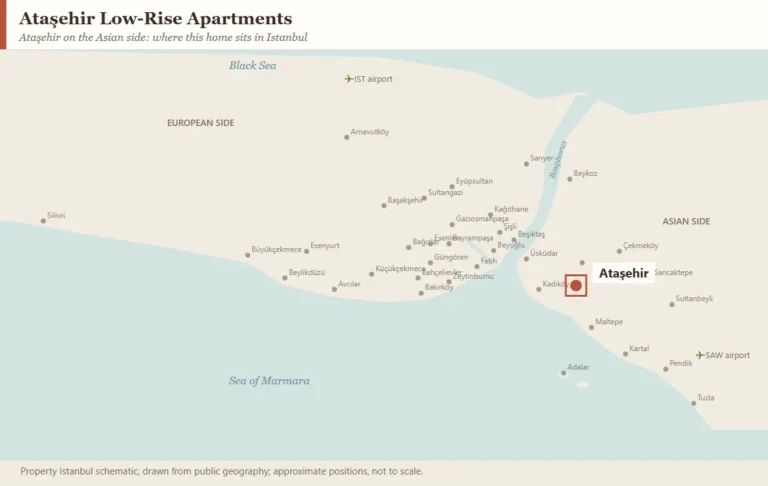
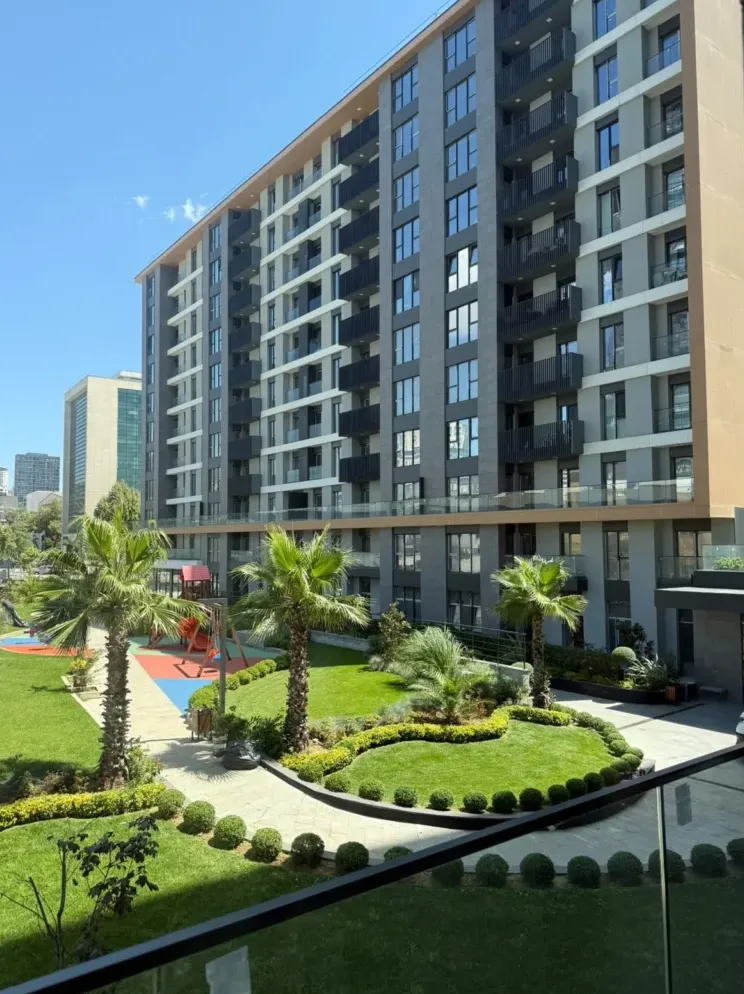
Ataşehir Low-Rise Apartments: Quiet-Street Block with Indoor Pool
From $540,000
- 1 bed
- 1 bath
- 63 m²
 Ready to move
Bağcılar
Güneşli Twin-Block Homes by Mimar Sinan Metro
From $245,000
- 1 bed
- 1 bath
- 65 m²