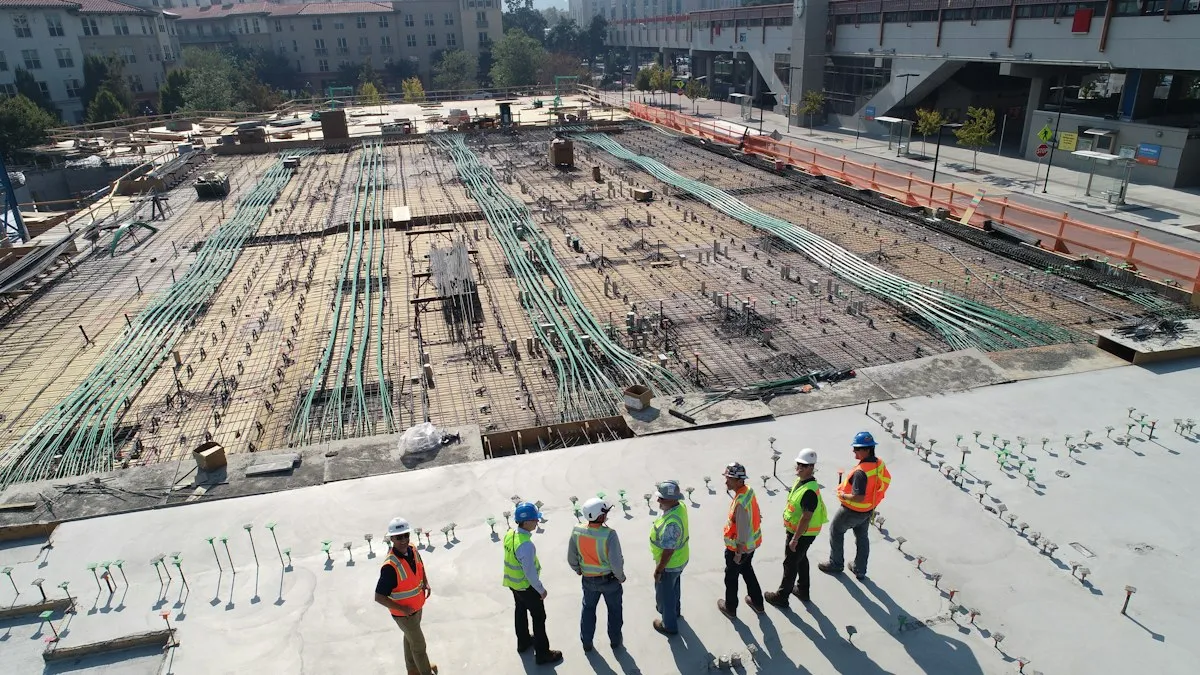
Walk through almost any Istanbul district and you will see older blocks coming down and new ones going up. This is urban renewal, known in Turkish as kentsel dönüşüm. Urban renewal in Istanbul replaces buildings that may not withstand a strong earthquake, and it affects anyone who buys an older home. This guide explains how the process works and what it means for buyers and owners.
Why urban renewal in Istanbul matters
Istanbul lies close to an active fault line, and many buildings date from before modern earthquake codes. As a result, the state encourages owners to test older buildings and rebuild the risky ones. For buyers, this creates both a safety question and, in some cases, an investment opportunity.
How the process works
1. Risk assessment
An owner can ask a licensed firm to test the building. If the firm finds the building risky, the land registry records this on the title deed. You can check a building’s status online through e-Devlet.
2. Owners decide
Once a building is officially risky, the owners decide how to rebuild. In most cases, they choose a contractor and agree how many new flats each owner receives. A majority decision by share can be enough, so a few owners cannot block the project.
3. Demolition and rebuilding
Residents move out while the old building comes down and the new one goes up. During this time, eligible owners and tenants may receive rent support, and the state offers some loan and fee reliefs. Details come from the Environment, Urbanisation and Climate Change Ministry.
What it means for buyers
Buying in an older building
If you buy a flat in an older block, ask whether a risk test has been done and whether the owners have signed with a contractor. In addition, read the contractor agreement, because it decides the size and location of your future flat. Our guide to building safety in Istanbul lists the key checks.
Buying a flat that is waiting for renewal
Some investors buy into a building before renewal, hoping to receive a new flat later. However, this ties up money for several years and depends on the contractor finishing on time. Therefore, check the contractor’s track record, just as you would for an off-plan project. Our guide to evaluating a developer helps.
Buying a new home instead
Many buyers simply choose a new building that meets current earthquake rules. Our ready to move apartments in Istanbul and new-build vs resale guide compare the options.
Districts with a lot of renewal
Renewal is busiest where many buildings date from the 1970s to the 1990s. For example, parts of Kadıköy, Bakırköy and Zeytinburnu have seen many projects. Read our Kadıköy neighbourhood guide and Bakırköy neighbourhood guide to see how this changes daily life.
Frequently asked questions
Can I refuse to join an urban renewal project?
Once owners holding the required majority agree, a minority usually cannot stop the project. However, the law sets out procedures for owners who do not sign.
Will I get a bigger flat after renewal?
Not always. It depends on the agreement with the contractor and the zoning rules for the plot.
Does a risky note on the title deed stop a sale?
No, but it affects the price and what the buyer receives, so it must be clear to both sides.
Laws on renewal change from time to time, so have a lawyer confirm the details before buying into a building under renewal.
New homes, whether built through renewal or not, are listed among our projects in Istanbul, and Property Istanbul can check a building’s status for you.
Projects in Istanbul
All projects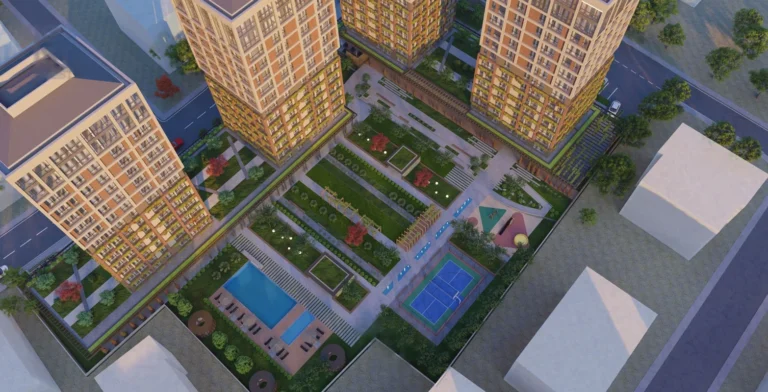 Ready to move
Kadıköy
Erenköy Apartments for Sale near Bağdat Avenue
From $300,000
- 1 bed
- 1 bath
- 52 m²
 Ready to move
Zeytinburnu
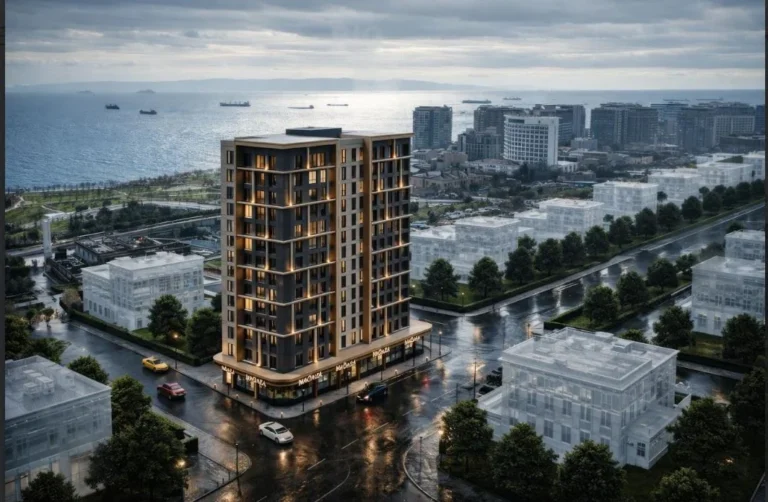
Zeytinburnu Sea View Apartments: Sea-View Living a Minute from Marmaray
From $246,000
- 1 bed
- 1 bath
- 63 m²
 Under construction
Küçükçekmece
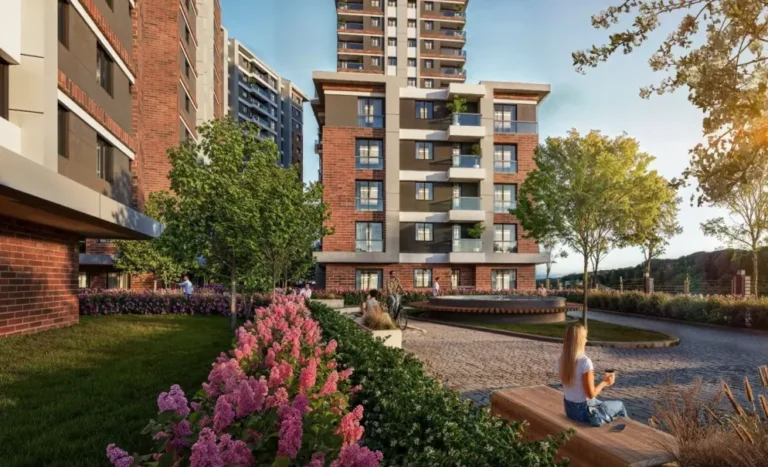
Lakefront Property in Istanbul: Küçükçekmece Waterside Off-Plan Apartments
From $200,000
- 1 bed
- 1 bath
- 75 m²