
Buying off-plan or new-build also means choosing a company to trust. A reliable property developer in Istanbul delivers on time, builds well and stays reachable after handover. On the other hand, a weak one can turn a good deal into a long problem. Here is how to tell them apart when you buy property in Turkey.
Start with finished projects
A developer’s past work is the best guide to its future work. Ask for a list of completed projects and visit at least one. Look at the common areas, the façade and the lifts. Also ask a few residents how the handover went.
Check the delivery record
Ask how many projects finished on time and why others were late. Delays happen. However, a pattern of long delays is a warning sign. Also check whether buyers received their title deeds and occupancy permits without problems.
Look at build quality
Materials and finishes
Compare the specification list with what you see in a finished unit. Check windows, insulation, doors and kitchen fittings.
Structure and safety
New buildings should follow the current Turkish Building Earthquake Code. Ask which standard applies, and see building safety in Istanbul for the other checks worth making.
Review the paperwork
A professional property developer in Istanbul should share its building permit and the project’s land registry details. It should also offer a notarised sales promise contract for off-plan units. If the developer hesitates to share documents, take that seriously. Our off-plan property checklist lists what to request.
Ask about after-sales care
Find out who manages the building after handover and how defects are repaired. Also ask how maintenance fees are set. For the basics, read about maintenance fees in Istanbul.
Red flags to watch for
- Pressure to pay a large deposit before you see any contract.
- Vague answers about permits or delivery dates.
- No finished projects you can visit.
- Prices that are far below similar projects nearby.
Where to find information on a property developer in Istanbul
Several sources help you build a picture of a property developer in Istanbul. Check the company’s own list of completed projects and visit them. Search news coverage and owner reviews, while keeping in mind that online reviews can be one-sided. Ask whether the developer works with public partners. For instance, Etiler Off-Plan Apartments list Emlak Konut GYO as developer partner. A local lawyer can also check the land registry records for the project. Together, these sources give a far clearer view than a brochure alone.
Property developer in Istanbul in 2026: the eight public records that score any builder
Turkey keeps more public data on construction companies than most buyers realise, and all of it can be checked before the first viewing. Since 2019 every contractor must hold a Building Contractor Authorisation Number (YAMBİS) issued by the Environment, Urbanisation and Climate Change Ministry; the Regulation on the Classification of Building Contractors sorts firms into groups from A (unlimited) down to H, by proven turnover and completed floor area, and the group caps the size of project a firm may lawfully sign for. The company’s own record sits in the Trade Registry Gazette (Ticaret Sicili Gazetesi), searchable free online by name or MERSİS number: founding date, capital, directors and any capital changes or mergers. For pre-paid sales, the Consumer Protection Law (No. 6502) and its regulation require projects of 30 or more units to carry a building-completion guarantee, such as completion insurance, a bank guarantee or a tied bank account, so a developer who cannot name the guarantee is already outside the law. The table turns these into a scorecard you can fill in an afternoon.
| Check | Where (2026) | Pass | Fail |
|---|---|---|---|
| Contractor authorisation | e-Devlet “Yapı Müteahhidi Yetki Belgesi Sorgulama” (YAMBİS) | Valid number; group A–C for a 200+ unit site | No number, suspended, or group too small for the project |
| Company history | Trade Registry Gazette (ticaretsicil.gov.tr) | Founded 10+ years ago; stable directors | Company founded for this one project; recent share transfers |
| Building permit | District municipality zoning department or the permit displayed on site | Permit in the developer’s name for this parcel, dated before pre-sales | Pre-sales before permit, or permit held by a third party |
| Completion guarantee | Sales office must show it (Law 6502, projects of 30+ units) | Named insurer or bank, policy covering your unit | “Not needed for this project” |
| Delivered projects | Visit two finished sites; ask management for the occupancy permit dates | Permits within 12 months of completion; residents still buying from the brand | Finished sites without permits years later |
| Land ownership and debts | Land registry record of the parcel (via your lawyer) | Developer or land-partner ownership; construction loan with unit-release clause | Attachments, unrelated mortgages, disputed shares |
| Independent inspection firm | Permit lists the yapı denetim company; check its licence on the ministry site | Licensed, not owned by the developer | Firm unlicensed or related party |
| Litigation and press | Court decisions database, consumer arbitration news, local press | Only routine disputes | Delivery-delay class actions, unpaid subcontractor reports |
Score one point per pass. Seven or eight points is a developer you can sign a 36-month payment plan with; five or six means buy only a ready unit; below five, walk away whatever the discount. Our off-plan checklist turns the land and guarantee rows into contract clauses, and the occupancy permit guide explains why the delivered-projects row matters more than the showroom.
Worked example. A buyer considering a two-bedroom flat at USD 370,000 in a Beylikdüzü family site listed on this site runs the scorecard. YAMBİS shows a group B authorisation, adequate for a site of its size; the gazette shows a company founded in 2009 with the same two directors throughout; the permit predates the launch by five months; the completion guarantee is a named bank letter; two earlier sites in the district received their permits within a year; the parcel carries a construction loan with a written unit-release clause; the inspection firm is licensed and unrelated; the press shows one resolved snagging dispute. Eight points. The same buyer looking at a cheaper project with a 2024-founded company, no guarantee and a permit “pending” scores three and should not pay a reservation deposit. The sequence of checks fits in week one of our guide to buying property in Istanbul; the documents guide lists what to ask the sales office to hand over.
Compare before you commit
Compare two or three developers on the same points. Our guide to organising an investment shortlist shows a simple method. You can also look at the projects we market in Istanbul, including Etiler Off-Plan Apartments, and ask the Property Istanbul team about the developer behind each one.
This article is general information, not legal, tax or financial advice.
Property developer in Istanbul: frequently asked questions
Can foreigners buy property in Turkey directly from a developer without an agent?
Yes. Foreigners can buy property in Turkey directly from the developer, and the price is usually the same whether or not an agent is involved because the developer pays the commission. An independent lawyer is the safeguard that matters, not the agent; our guide to buying from abroad shows how to appoint one.
Is off-plan property in Turkey safe if the developer scores well?
Safer, not risk-free. Off-plan property in Turkey still carries delivery and market risk, which a strong developer reduces but does not remove. Keep instalments tied to construction stages, insist on the completion guarantee and the 14-day withdrawal right under Law 6502, and keep every bank receipt.
What does the YAMBİS group letter mean?
It is the ministry’s size class for contractors, from A for firms with the largest proven turnover and completed area down to H for new or small firms. A firm may only act as contractor on projects within its class, so a group F company signing for a 500-unit site is a red flag in itself.
Projects in Istanbul
All projects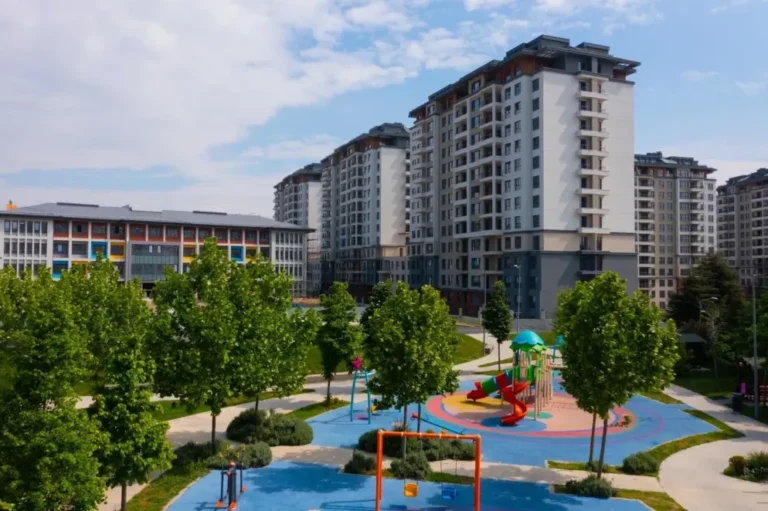 Ready to move
Beylikdüzü
Beylikdüzü Property in Istanbul: Family Apartments with Pool
From $370,000
- 2 beds
- 1 bath
- 149 m²
 Under construction
Küçükçekmece
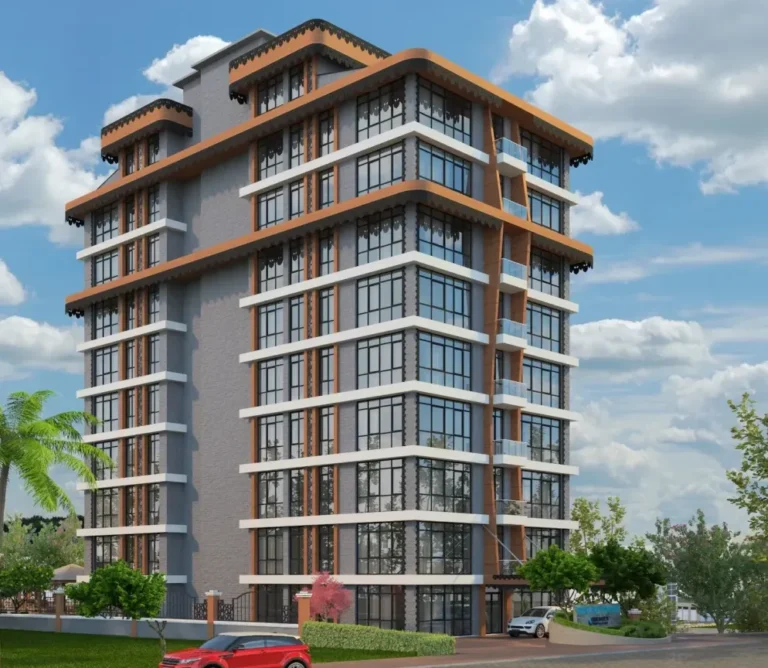
Lakefront Property in Istanbul: Küçükçekmece Waterside Off-Plan Apartments
From $200,000
- 1 bed
- 1 bath
- 75 m²
 Under construction
Kağıthane
Hamidiye Off-Plan Homes in Kağıthane
From $280,000
- 1 bed
- 1 bath
- 75 m²