
Buying a home in Istanbul is the most common way to qualify for a Turkish passport, but it is not the only one. A bank deposit in Turkey is the main alternative to property, and some investors also look at bonds or funds. This overview compares the routes side by side, so you can see which suits your money and your plans, and whether owning an Istanbul home matters to you beyond the passport.
The investment routes at a glance
- Property: at least US$400,000, held for three years.
- Bank deposit: at least US$500,000, or the equivalent, held in a Turkish bank for three years.
- Government bonds: at least US$500,000, held for three years.
- Investment funds: at least US$500,000 in qualifying real estate or venture capital funds.
- Business: a fixed capital investment of US$500,000, or creating jobs for at least 50 people.
For most families, the real choice is between property and a deposit. Our guide to citizenship and buying property in Istanbul covers the property route in depth.
How Turkish citizenship by bank deposit works
First, you open an account with a Turkish bank and deposit at least US$500,000. Next, you sign a commitment not to withdraw the money for three years. The Banking Regulation and Supervision Agency (BDDK) then confirms that the deposit meets the rules, and you receive a certificate of conformity. After that, the residence permit and citizenship steps are the same as for property buyers.
Property or bank deposit in Turkey: how they compare
Amount
The property route needs US$100,000 less. However, you also pay purchase costs, such as title deed fees and the valuation, which you do not pay on a deposit.
Returns
A home can earn rent and may rise in value, as our guide to rental yield in Istanbul explains. On the other hand, a deposit earns interest, which depends on the currency and the bank. The deposit also needs no tenants or maintenance.
Risks
Property prices and rents can move up or down, and you need a buyer when you exit. By contrast, Turkish citizenship by bank deposit carries bank and currency risk, but returning your money is simpler after three years. Since 2026, property buyers also face closer checks on valuations, so a fair price is essential.
Use
Only property gives you a home in Istanbul to live in, rent or use for holidays. For many families, that is the deciding factor.
Who each route suits
Turkish citizenship by bank deposit tends to suit investors who want a simple exit and no management work. Property suits buyers who want a home, rental income or long-term exposure to Istanbul. Some investors already own property in Turkey and only need citizenship, in which case a deposit avoids a second purchase.
Questions to ask yourself
- Do I want to use the home myself?
- Can I hold the investment for at least three years?
- Which currency do I want my money in?
- How easily do I want to exit?
Frequently asked questions
Can I combine a deposit and property?
No. Each route has its own threshold, so you cannot add a smaller deposit to a smaller purchase.
Can family members join the deposit route?
Yes. It covers your spouse and any children under 18, just as with property. See our guide to Turkish citizenship for family members.
Who can help me compare?
A lawyer and an independent financial adviser can review the numbers. If you lean towards property, you can browse our step-by-step guide to buying a home in Istanbul.
Rules in this guide reflect the position in October 2026. I am not a lawyer, and citizenship rules change, so confirm the details with a licensed Turkish lawyer before you pay.
And if property wins, view buying options in Istanbul or compare both routes with the Property Istanbul team.
Projects in Istanbul
All projects Under construction
Beşiktaş
Etiler Horizontal Garden Homes
From $900,000
- 1 bed
- 1 bath
- 70 m²
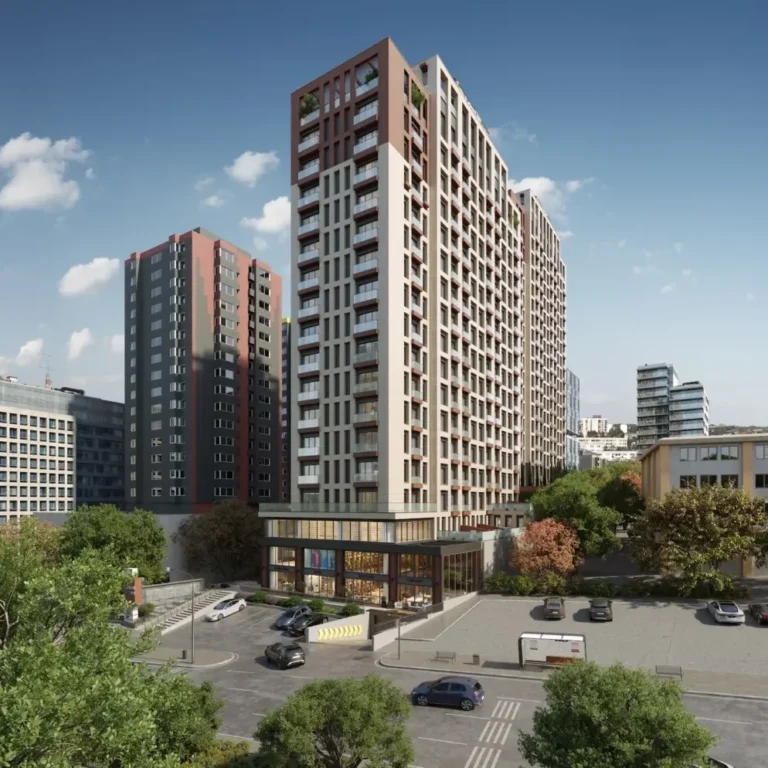 Ready to move
Şişli
Şişli Home-Office Apartments
From $400,000
- 1 bed
- 1 bath
- 69 m²
 Ready to move
Silivri
Silivri Detached Garden Villas
From $575,000
- 5 beds
- 3 baths
- 509 m²