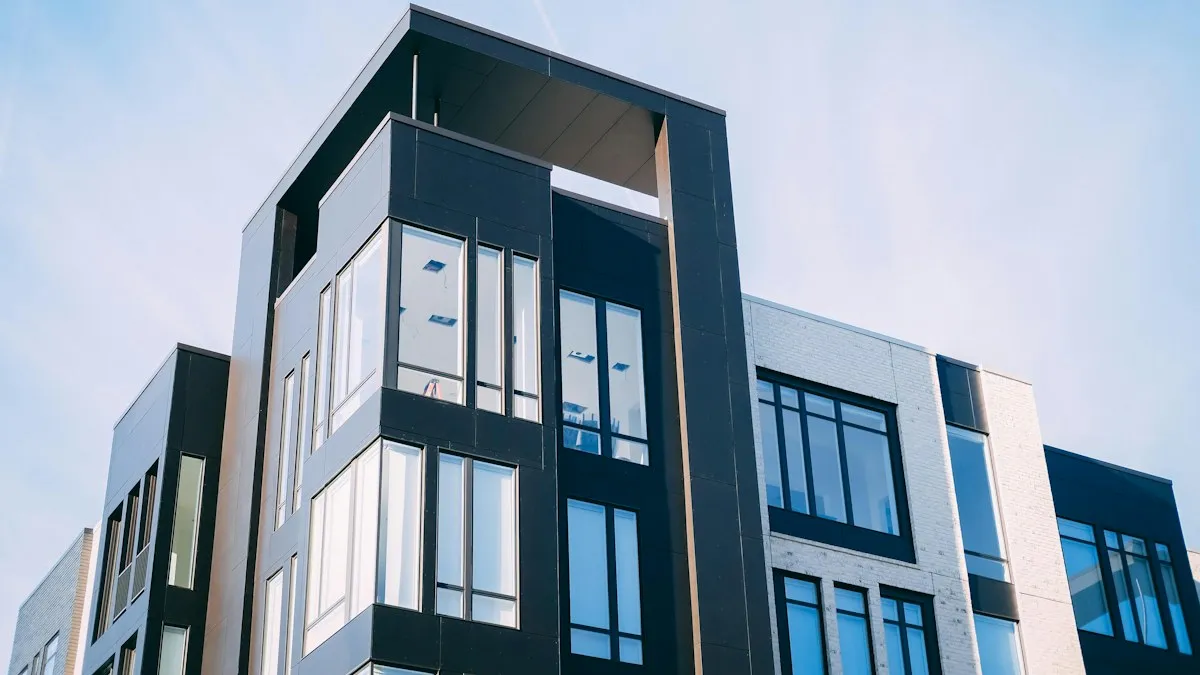
Türkiye hosts and presides over COP31, the UN climate conference held in Antalya on 9–20 November 2026. Most of the coverage will be about emissions targets and negotiations. If you are comparing energy efficient apartments in Istanbul, there is a more practical question behind the headlines: how much will this apartment cost to heat, cool and run, and will it still feel modern in ten years?
This guide looks at energy performance the way an Istanbul resident does, room by room and bill by bill.
Why energy performance matters more in Istanbul than you might expect
Istanbul winters are not extreme, but they are long, damp and windy, especially on hills facing the Black Sea or the Bosphorus. Summers are humid. A poorly insulated apartment needs heating from November to April and air conditioning through July and August. Over a year, the gap between a well-built and a poorly built flat of the same size shows up clearly in gas and electricity bills.
The national rules have been moving in the same direction. Since 2023, larger new buildings in Türkiye have had to follow a nearly zero-energy design, and since January 2025 that applies to new buildings of 2,000 m² and above, with at least energy class B and 10% of energy from renewable sources. The required insulation thickness in Istanbul was raised from 5 cm to 8 cm. For buyers, this creates a real difference between recent projects and older stock.
Energy efficient apartments in Istanbul: five things to check
1. The Energy Identity Certificate (EKB)
Every building has an EKB rating from A to G. Ask to see it, check the issue date (it is valid for ten years), and make sure it belongs to the building you are buying. A new building may not rate below class C; projects built under the latest rules are often B. Treat a missing certificate as a question to resolve before you sign.
2. How the flat is heated
Most Istanbul apartments use one of three systems:
- Individual natural gas combi boiler (kombi): the most common setup. You control your own heating and pay your own gas bill. Ask how old the boiler is; modern condensing boilers use noticeably less gas.
- Central heating: common in large complexes. Look for individual heat meters or heat cost allocators on each radiator, so you pay for what you use rather than a share of the whole building’s bill.
- Heat pumps and underfloor heating: increasingly found in newer, higher-spec projects. Running costs depend on electricity prices, but efficiency is high when the building is well insulated.
3. Insulation, windows and balconies
Exterior wall insulation (mantolama) and double or triple glazing make the biggest difference to comfort. In older buildings, ask whether the façade has been insulated since construction. Glazed-in balconies can add space but often lose heat if the glazing is single-pane.
4. Orientation and exposure
South-facing apartments get winter sun and usually need less heating. North-facing flats on exposed hills can feel cold and damp. Corner units have more exterior walls, which means more heat loss unless insulation is good. Visit at different times of day if you can.
5. What the maintenance fee (aidat) covers
In complexes with central systems, pools or shared solar panels, part of the energy cost sits in the monthly aidat. Ask for the last few months of aidat statements and check whether heating is included, metered separately or estimated.
New project or older building?
Older buildings in central districts such as Kadıköy, Beşiktaş or Şişli offer location and character. Many have been renovated, but energy performance varies widely from one building to the next. Newer projects in districts with a lot of recent construction stand a better chance of meeting today’s earthquake and energy standards, but they may be further from the centre.
Neither choice is automatically better. The point is to compare like with like: the EKB class, the heating system, the insulation and the monthly running costs, not just price per square metre. Our stage-by-stage walkthrough of buying property in Istanbul covers the legal side, and living in Istanbul as a foreigner explains utilities and day-to-day costs.
What COP31 changes, and what it doesn’t
COP31 does not change Turkish property law, title deed procedures or the rules for foreign buyers. It is a conference, not a regulation. What it does is put Türkiye’s climate commitments, including the 2025 Climate Law and the 2053 net zero target, in the international spotlight. That is a reasonable signal that energy standards for buildings will keep tightening rather than loosen.
For a buyer, the practical takeaway is to ask energy questions early. A flat that is cheap to run is more comfortable to live in, easier to rent out and easier to sell.
Frequently asked questions
What energy class should I look for in an Istanbul apartment?
On the Energy Identity Certificate, a new building may not rate below class C, while buildings designed to the latest nearly zero-energy rules usually achieve class B or higher. For older buildings, compare the certificate with similar flats nearby.
Is central heating or a combi boiler better?
Both can work well. A combi boiler gives you full control of your own bill. Central heating is efficient in large complexes, as long as each flat has its own heat meter or cost allocators.
Does COP31 affect buying property in Istanbul?
No. The legal process for buying property in Istanbul is unchanged. COP31 mainly highlights the direction of Türkiye’s energy and building policy.
This article gives general information and is not legal or technical advice. Sources: announcements by the COP31 presidency and the UNFCCC; the Energy Performance Regulation for Buildings (2022 amendment).
Projects in Istanbul
All projects Ready to move
Kadıköy
Erenköy Apartments for Sale near Bağdat Avenue
From $300,000
- 1 bed
- 1 bath
- 52 m²
 Ready to move
Beşiktaş
Beşiktaş Serviced Suites for Short-Term Rental
From $280,000
- 1 bed
- 1 bath
- 50 m²
 Under construction
Beşiktaş
Etiler Horizontal Garden Homes
From $900,000
- 1 bed
- 1 bath
- 70 m²