Most foreigners who settle in Istanbul are pleasantly surprised by its hospitals: modern buildings, short waits at private clinics and doctors who often trained abroad. The harder part is the paperwork, because the insurance you need depends on your residence status and how long you have lived in Turkey. This guide explains how healthcare in Istanbul works for foreigners in 2026, from the insurance a residence permit requires to the choice between public and private care.
Healthcare in Istanbul for foreigners: two systems side by side
Turkey runs a public system funded through the Social Security Institution (SGK) and a large private sector that sells its services directly or through insurers. Many residents use both: a family doctor or state hospital for routine needs, and a private hospital for speed, an English-speaking doctor or a specific specialist.
Public care through SGK
State hospitals, the newer city hospitals (şehir hastanesi) and family health centres (aile sağlığı merkezi) treat patients covered by SGK. Employees registered by a Turkish employer are enrolled automatically. Foreign residents who are not working can apply for General Health Insurance (Genel Sağlık Sigortası, GSS) once they have lived in Turkey for one year, unless they are insured under another country’s system. Enrolment is not automatic: you apply to SGK, and cover starts from the date of your request. The monthly premium is calculated on a minimum-wage base, so confirm the current amount with SGK when you apply.
Large public facilities serving residents on both sides of the city include Başakşehir Çam and Sakura City Hospital on the European side, as well as many university and research hospitals. Waiting rooms can be busy, and outside the main international units you will meet fewer English-speaking staff.
Private hospitals and clinics
Istanbul has one of the densest networks of private hospitals in the region. Acıbadem alone lists 11 inpatient hospitals in the city, three of which (Maslak, Altunizade and Atakent) carry Joint Commission International (JCI) accreditation according to the group’s international patient pages. Other well-known private groups include Memorial, Medical Park, Florence Nightingale and Liv. Most have international patient departments that arrange interpreters, cost estimates and direct billing with insurers.
Health insurance and your residence permit
Valid health insurance is a standard requirement for a Turkish residence permit, and it must cover the whole period of the permit you are applying for. If your policy ends earlier, the permit may be issued only until the policy expires. Private policies sold for this purpose must meet the minimum cover set by the Treasury circular on residence-permit insurance, so buy from an insurer licensed in Turkey and make sure the policy refers to that circular.
Two points cause problems in practice. First, travel insurance is not accepted. Second, foreign policies are often refused, even when their cover is generous. Our guide to the residence permit for property owners covers the wider application.
Which policy do you actually need?
- Basic residence-permit policy: the cheapest option, designed to satisfy the permit rules. It mainly covers in-patient treatment and emergencies, often at contracted hospitals only.
- Complementary insurance (tamamlayıcı sağlık sigortası): for people covered by SGK. It pays the difference between the SGK rate and a contracted private hospital’s price.
- Comprehensive private health insurance: covers outpatient visits, tests and a wider hospital network. It is the most expensive option, and age and medical history affect the premium.
Costs to expect
Health is one of the fastest-rising costs in the city. The Istanbul Chamber of Commerce reported a 46.02% annual increase in health prices in October 2026, against 32.47% for all consumer prices. Private hospital fees vary widely by group and district, so ask for a written estimate before planned treatment. Policy premiums are usually adjusted every year; read the renewal terms, not just the first year’s price.
Pharmacies, emergencies and everyday care
- Emergencies: dial 112 for an ambulance. Public and private hospitals both run emergency departments.
- Pharmacies (eczane): found on almost every high street. After hours, each neighbourhood has a duty pharmacy (nöbetçi eczane), listed in pharmacy windows and online.
- Family doctors: once you are registered with SGK, you are assigned a family doctor at a local health centre for routine care and referrals.
- Dental care: mostly private and paid out of pocket, unless your policy includes it.
Choosing where to live with healthcare in mind
If you or a family member needs regular appointments, travel time to your preferred hospital matters as much as the hospital itself. Several districts with large private hospitals, such as Ataşehir, Kadıköy, Şişli and Bakırköy, are also on rail lines. Our guide to areas near schools and hospitals compares them in more detail.
Healthcare is one of several things to arrange in your first months. The moving to Istanbul hub brings the other steps together, from opening a bank account to setting up utilities, and our cost of living guide shows how insurance fits into a monthly budget.
Insurance rules and premiums change, so check the current requirements with the migration authority (Göç İdaresi) and SGK before you apply.
In this guide series: Cost of living and daily life
- Cost of Living in Istanbul (2026): Rent, Bills and Everyday Prices (overview)
- International Schools in Istanbul: Fees, Curricula and Where Families Live
- Istanbul Public Transport: How to Use the Metro, Marmaray and Ferries
- Supermarkets in Istanbul: Chains, Pazars and Grocery Costs
- Cost of Living: Istanbul vs Dubai vs London (2026 Data)
Projects in Istanbul
All projects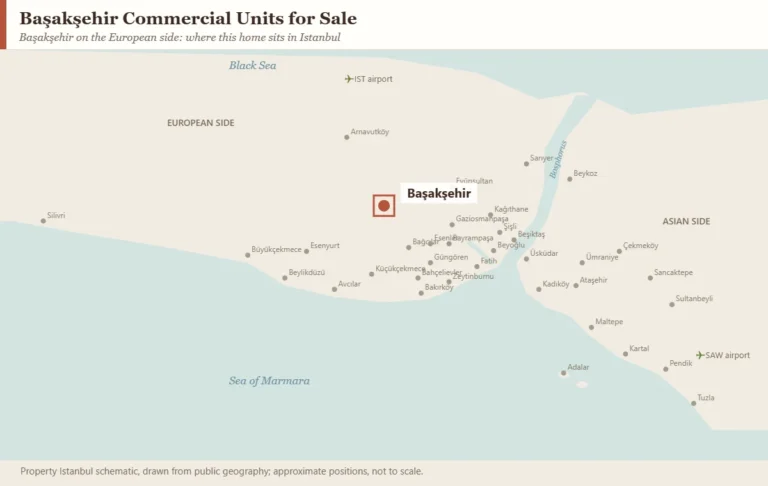 Ready to move
Başakşehir
Başakşehir Commercial Units for Sale
From $175,000
- 100 m²
 Ready to move
Kadıköy
Erenköy Apartments for Sale near Bağdat Avenue
From $300,000
- 1 bed
- 1 bath
- 52 m²
 Ready to move
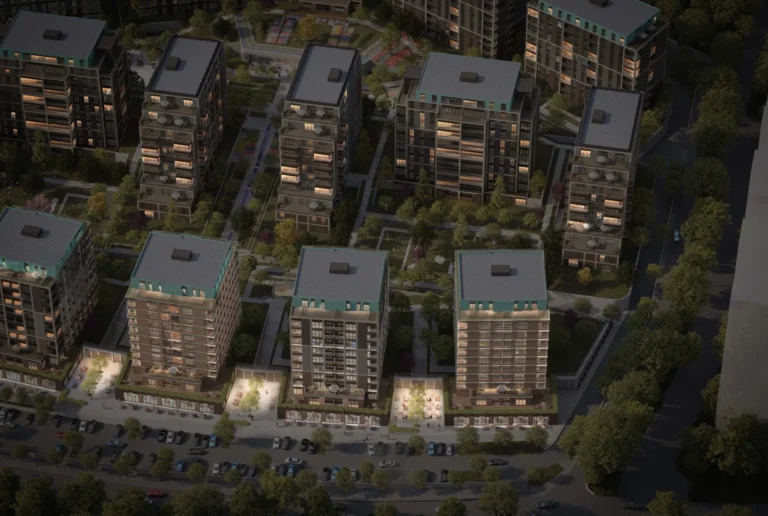
Başakşehir
Başakşehir Family Apartments: Kayaşehir Boulevard Apartments
From $280,000
- 1 bed
- 1 bath
- 75 m²