Supermarkets in Istanbul range from the three discount chains with a shop on almost every corner to full-range stores, delicatessen chains for imported goods and the weekly street markets that still set the benchmark for fresh produce. This guide explains which chain does what, what a week of groceries costs in 2026 with sources, and how shopping differs between districts, so that you can budget realistically before you move or let a flat.
Supermarkets in Istanbul: the chains and what each is for
Turkish food retail is dominated by hard discounters. Their private-label goods are where most Istanbul households buy staples; branded and imported products are a separate, more expensive layer sold by the full-range chains. The store counts below are nationwide figures from the companies’ 2025 investor reports, rounded; Istanbul has by far the densest network, with a discount store within a five-minute walk in almost every residential district.
| Chain | Format | Stores (Turkey, 2025) | Best for | Typical location in Istanbul |
|---|---|---|---|---|
| BİM | Hard discount, 600–800 m², mostly private label | About 13,000 incl. FİLE | Staples, dairy, weekly bargains; lowest basket price | Every mahalle; FİLE larger stores in outer districts |
| A101 | Hard discount | About 13,000 | Staples, household goods, electronics on Thursday offers | Every mahalle |
| ŞOK | Discount with more brands | About 10,000 | Branded basics at near-discount prices | Every mahalle |
| Migros / Migros Jet / 5M | Full-range supermarket and hypermarket | About 3,600 incl. Macrocenter | Fresh counters, branded goods, wine and spirits, online delivery | Central districts, shopping centres, large estates |
| Macrocenter | Premium delicatessen | Within the Migros total | Imported cheese, organic ranges, international brands | Beşiktaş, Nişantaşı, Etiler, Bebek, Kadıköy Bağdat Avenue, Zorlu |
| CarrefourSA | Full-range and hypermarket | About 1,100 | Branded goods, own French imports, large weekly shop | Shopping centres and main roads |
| Metro | Cash and carry | Around 40 | Bulk buying, restaurant-grade meat and fish | Edge-of-city sites near motorways |
| Getir, Migros Sanal, Yemeksepeti Market | App delivery in 15–60 minutes | City-wide | Top-ups, late evenings, heavy items | All central and most outer districts |
Cost of groceries in Istanbul in 2026
The most reliable monthly measure of food costs is the hunger line published by the TÜRK-İŞ union confederation, which prices a nutritionally adequate basket for a family of four. In October 2026 it stood at 38,024 TL a month, with a single worker’s total cost of living put at 49,124 TL; food prices in the basket were 33.8% higher than a year earlier, and the average fruit and vegetable price was about 119 TL per kilogram (TÜRK-İŞ, 30 October 2026, via Forbes Türkiye). Istanbul-specific data from the Istanbul Chamber of Commerce put the city’s retail prices 32.47% above October 2025, with food and non-alcoholic drinks up 2.58% in the month alone and cucumbers and tomatoes leading the autumn rise (İTO, via Forbes Türkiye, 2 November 2026). With the dollar at roughly 50 TL, the family food floor is about $760 a month, or $6.30 per person per day.
| Household | Shopping pattern | Indicative monthly grocery budget, Nov 2026 | Basis |
|---|---|---|---|
| Single person, Turkish-style basket | Discount chains plus the weekly pazar, cooks most days | 9,500–12,000 TL ($190–240) | One quarter of the TÜRK-İŞ family floor, plus 0–25% for small-pack premiums |
| Couple, mixed basket | Discount chains for staples, Migros for brands, pazar for produce | 22,000–30,000 TL ($440–600) | TÜRK-İŞ floor pro rata plus branded goods |
| Family of four, Turkish-style basket | Discount chains and pazar | 38,000–45,000 TL ($760–900) | TÜRK-İŞ hunger line, October 2026 |
| Family of four, expat basket | Migros or CarrefourSA weekly shop, Macrocenter for imports, some alcohol | 60,000–80,000 TL ($1,200–1,600) | Our estimate: imported goods and alcohol typically 1.5–2 times the local equivalent |
Three things move an Istanbul grocery bill more than the choice of chain. Imported products carry customs duty and 20% VAT and often cost two to three times the Turkish equivalent, so a basket built around Italian pasta, French cheese and foreign cereals is the single biggest cost driver. Alcohol is taxed heavily and its special consumption tax is raised twice a year with inflation. And seasonality matters more than in northern Europe: tomatoes that cost 40 TL a kilo in August can cost 120 TL in January, which is why the pazar habit saves money.
Shopping by district: where to go
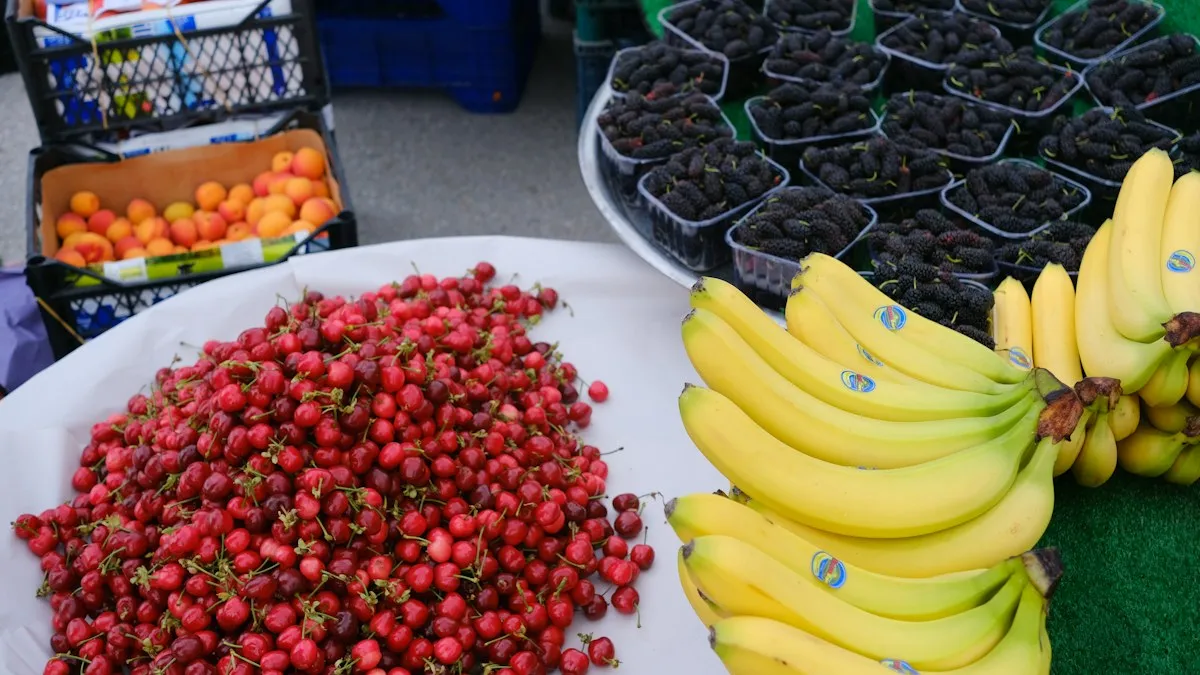
In central districts such as Beşiktaş, Şişli, Kadıköy and Beyoğlu you will find all layers within walking distance: a BİM or A101 on the corner, a Migros within ten minutes, a Macrocenter or a specialist deli nearby and a large weekly pazar. Beşiktaş’s Saturday market, Kadıköy’s Tuesday market and the Feriköy organic market in Şişli on Saturdays are the best known. In the planned estates of Başakşehir, Beylikdüzü and Ataşehir, shopping is organised around the shopping centre and the estate’s own small market, with a hypermarket as the weekly anchor; the pazar is usually a short drive rather than a walk. In outer districts such as Esenyurt, Pendik and Sultanbeyli the discount chains dominate and prices for staples are the same as in the centre, since the chains price nationally, but imported goods and fresh fish are harder to find. For a view of the same districts as places to live, see our best areas to live in Istanbul for expats.
How Istanbul residents keep the bill down
- Pazar first, supermarket second. Buy fruit, vegetables, eggs, olives and cheese at the weekly street market, where prices are typically 20–40% below the supermarket for the same quality and fall sharply in the last hour.
- Private label for staples. BİM and A101 own brands for flour, rice, pasta, oil, milk and cleaning products are produced by the same large Turkish manufacturers as the branded lines.
- Thursday and weekend offers. A101’s Thursday catalogue and BİM’s Tuesday and Friday offers are where electronics, small appliances and seasonal goods are cheapest.
- Loyalty apps. Migros Money and CarrefourSA cards return a few per cent and unlock personalised discounts; most expats register with a Turkish phone number within the first week.
- Bread from the fırın and Halk Ekmek. Neighbourhood bakeries and the municipality’s Halk Ekmek kiosks sell fresh bread below supermarket prices.
- Water by the 19-litre bottle. Tap water is treated but most households order 19-litre bottles delivered to the door; it costs far less per litre than small bottles.
Groceries are one line in a bigger budget. Our cost of living in Istanbul guide puts them next to rent, utilities and transport, and living in Istanbul as a foreigner covers the practical side of the first months. If you are still choosing a flat, apartments for rent in Istanbul: prices by neighbourhood shows how much of the budget rent will take in each district.
Supermarkets in Istanbul: FAQ
Which is the cheapest supermarket in Istanbul?
BİM is usually the cheapest for a basket of staples, with A101 and ŞOK very close behind; the differences between the three are small, so most people use whichever is nearest. For fresh produce the weekly pazar beats all three.
How much do groceries cost per month in Istanbul for one person?
About 9,500 to 12,000 TL in late 2026 for a Turkish-style basket from discount chains and the pazar, or roughly $190 to $240; an expat basket with imported goods and alcohol can double that. The figure is derived from the TÜRK-İŞ hunger line of 38,024 TL for a family of four in October 2026.
Do supermarkets in Istanbul sell alcohol and pork?
Migros, CarrefourSA, Macrocenter and licensed corner shops (tekel) sell beer, wine and spirits, with retail sales banned between 22:00 and 06:00; the discount chains do not stock alcohol. Pork is sold only by a handful of specialist delis, mainly in Beyoğlu and Şişli.
Can I get groceries delivered in Istanbul?
Yes, almost everywhere. Getir delivers small orders in 15 to 30 minutes, Migros Sanal Market and CarrefourSA offer full weekly shops with timed slots, and the discount chains have their own apps in most districts. Delivery fees are low or waived above a minimum order.
In this guide series: Cost of living and daily life
- Cost of Living in Istanbul (2026): Rent, Bills and Everyday Prices (overview)
- International Schools in Istanbul: Fees, Curricula and Where Families Live
- Healthcare in Istanbul for Foreigners: Insurance, Hospitals and Costs
- Istanbul Public Transport: How to Use the Metro, Marmaray and Ferries
- Cost of Living: Istanbul vs Dubai vs London (2026 Data)
Projects in Istanbul
All projects Ready to move
Kadıköy
Erenköy Apartments for Sale near Bağdat Avenue
From $300,000
- 1 bed
- 1 bath
- 52 m²
 Ready to move
Beşiktaş
Beşiktaş Serviced Suites for Short-Term Rental
From $280,000
- 1 bed
- 1 bath
- 50 m²
 Under construction
Beşiktaş
Etiler Horizontal Garden Homes
From $900,000
- 1 bed
- 1 bath
- 70 m²